01
A conversation first
Call or book a visit. Fifteen minutes on the phone is usually enough to work out what you have, what you need, and whether a box is the right answer at all. Sometimes it is not, and we will say so.

How it works
Most people spend less than an hour with us the first time. What they leave with is a box, a key, and a signed list of everything in it.

Call or book a visit. Fifteen minutes on the phone is usually enough to work out what you have, what you need, and whether a box is the right answer at all. Sometimes it is not, and we will say so.
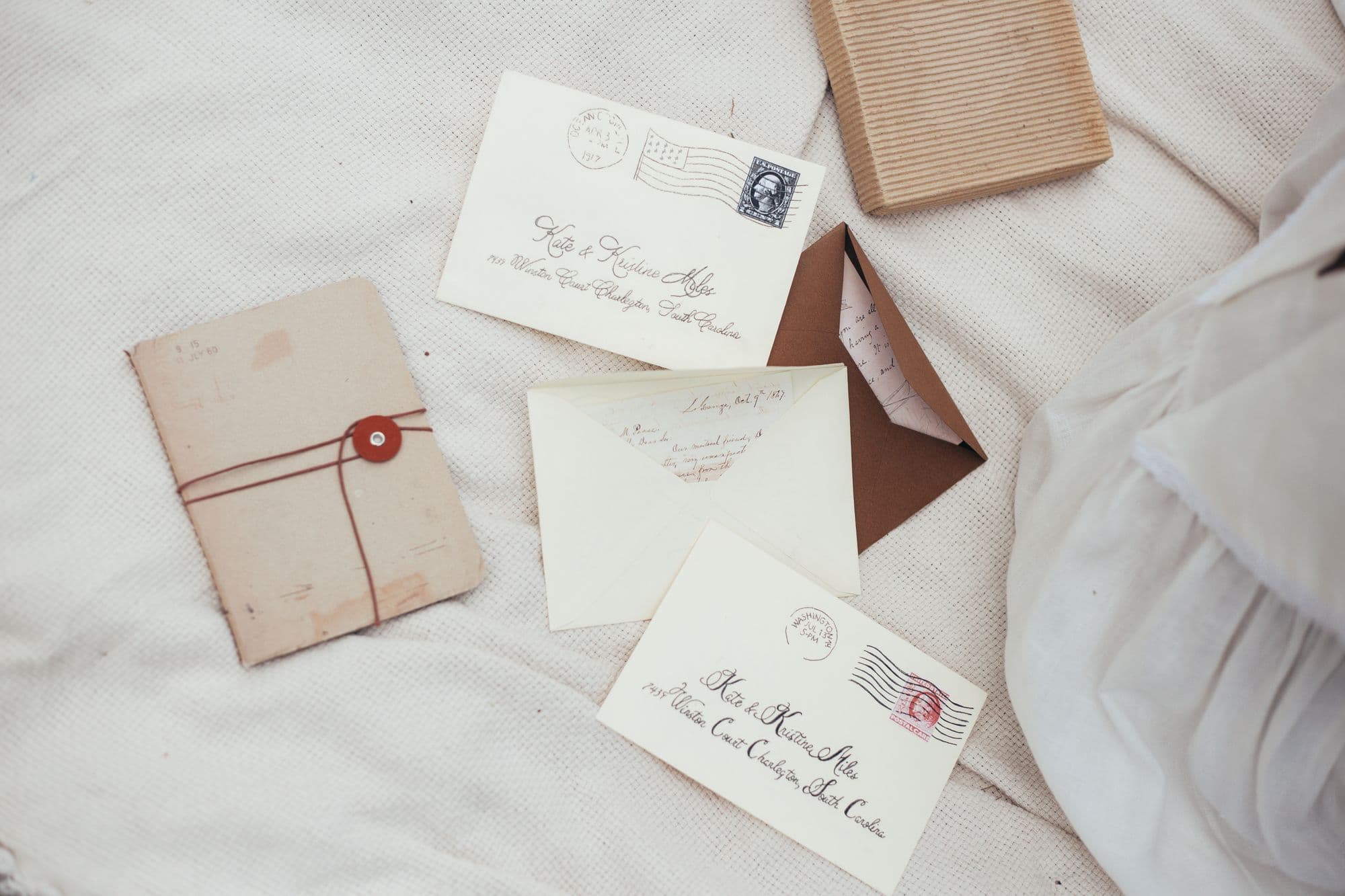
You are identified against government-issued photo ID. Everything that goes in is listed on a signed inventory, and you keep a copy. What exists becomes a document rather than a memory.
A private box in a 9R-rated vault behind two 14,000-pound doors, engineered for a Category 5 storm. Rented in your name, jointly, or by a trust — whichever your attorney recommends.
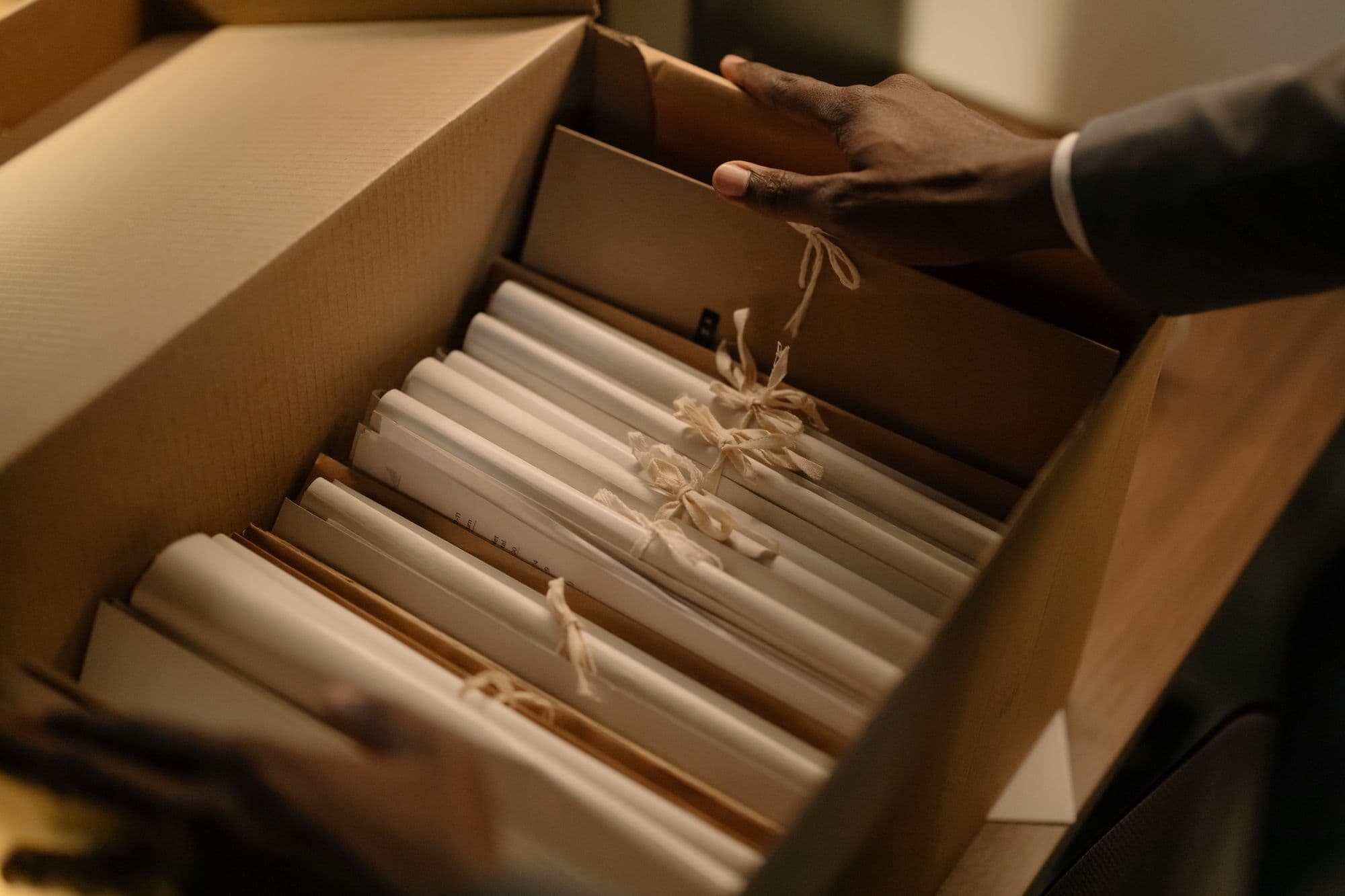
Access by appointment, identified and logged every time. Originals come out when they are needed and go back when they are not. Producing a document becomes an errand instead of a project.
What to bring
A short phone call is usually enough to know whether a box is the right answer. Sometimes it is not, and we will say so.